Coolant system repairs become one of the most frequent services auto shops see every spring, and there’s a good reason for it. After months of freezing temperatures across Grand Blanc Township and the surrounding Genesee County area, the rubber hoses, plastic reservoirs, and gaskets in your cooling system take a beating. At Grand Pointe Automotive, we help local drivers understand why these problems pop up after winter and what you can do to catch them early.
If you’ve noticed a sweet smell under the hood, a puddle of green or orange fluid in your driveway, or your temperature gauge creeping higher than normal, your coolant system may need professional attention. This blog breaks down exactly what winter does to your cooling system, the warning signs you shouldn’t ignore, and how a quick inspection can save you from an expensive engine repair down the road.
How Michigan Winters Damage Your Cooling System
Michigan winters are tough on vehicles, and your coolant system sits right in the line of fire. The cooling system’s job is to regulate your engine’s temperature by circulating coolant (also called antifreeze) through the engine block, radiator, and heater core. When temperatures drop well below freezing in Grand Blanc, Burton, and Flint, the materials that hold this system together go through repeated stress that weakens them over time.
The Freeze-Thaw Cycle and What It Does to Components
Every time the temperature swings from below freezing overnight to above freezing during the day, the coolant inside your system expands and contracts. This freeze-thaw cycling puts pressure on the weakest points of the system. The components most affected include:
- Plastic coolant reservoirs and overflow tanks
- Radiator end tanks and side tanks
- Hose connections and clamp points
- Thermostat housing gaskets
Over the course of a full Michigan winter, this repeated stress causes hairline cracks in plastic components that don’t show up until warmer spring temperatures arrive. Once the system heats up to full operating temperature, those small cracks open up and become full-blown coolant leaks.
Aging Rubber Hoses and Gaskets
Cold weather makes rubber stiff and brittle. Your upper and lower radiator hoses, heater hoses, and bypass hoses all lose flexibility during winter. When rubber hardens, it can:
- Crack at clamp points where pressure is highest
- Develop soft, spongy spots that balloon under pressure
- Lose the tight seal around fittings and connections
Gaskets around the thermostat housing and water pump face the same problem. If your vehicle is over five years old or has more than 60,000 miles, these parts are especially vulnerable to post-winter failure. A coolant hose replacement in the spring is a lot more manageable than dealing with an overheating car on the side of the road.
Warning Signs Grand Blanc Township Drivers Shouldn’t Ignore
Catching a coolant system problem early is the difference between a minor repair and a major engine issue. Here are the most common signs Grand Blanc Township drivers should watch for once winter wraps up.
Dashboard Temperature Warnings
Your temperature gauge should sit near the middle of the dial during normal driving. Watch for these red flags:
- The gauge starts climbing toward the hot side, especially in stop-and-go traffic
- A warning light or temperature message appears on the dashboard
- The gauge fluctuates up and down instead of staying steady
Don’t ignore these warnings. An overheating engine can warp the cylinder head or damage head gaskets, turning a simple coolant system repair into a costly engine repair.
Visible Coolant Leaks and Low Reservoir Levels
Take a look under your vehicle after it’s been parked for a few hours. Here’s what to check:
- Bright green, orange, or pink fluid on the ground under the engine area
- A consistently low coolant level in the overflow reservoir
- Wet spots or residue around hose connections under the hood
Common leak points after winter include the radiator itself, hose connections, the water pump weep hole, and the thermostat housing gasket. Even a small radiator leak can lead to overheating if the system loses enough fluid over time.
Sweet Smell or Steam Under the Hood
Coolant has a distinctly sweet smell. Signs that coolant is hitting hot engine surfaces include:
- A sweet, syrupy odor inside the cabin when you run the heater
- The same smell under the hood after driving
- White steam rising from under the hood after you park
If you see steam, pull over safely and let the engine cool before driving further. Continuing to drive with an active coolant leak risks serious engine damage.
If any of these warning signs sound familiar, don’t wait it out. If you’re searching for coolant system repair near me in Grand Blanc Township, Grand Pointe Automotive is the local shop drivers in Genesee County trust.
What a Coolant System Inspection Looks Like in Grand Blanc
If you suspect a problem or just want peace of mind after a long Michigan winter, a professional coolant system inspection is the smart move. Here’s what a thorough inspection involves and why it matters.
Pressure Testing the System
Our technicians will attach a pressure tester to the radiator or coolant reservoir and pressurize the system to its rated level. This test forces coolant through every connection, hose, and gasket at a controlled pressure. A pressure test can reveal:
- Leaking hoses or hose connections that are losing pressure
- A weeping radiator, end tank, or seam
- A failing water pump seal
- Head gasket seepage indicated by pressure that won’t hold
Pressure testing is one of the most reliable ways to find problems that aren’t visible during a simple visual check.
Checking Coolant Condition and Freeze Protection
Not all coolant problems are about leaks. Over time, coolant breaks down and loses its ability to protect against freezing and corrosion. During this check, our technicians will evaluate:
- Freeze protection level using a refractometer
- pH and acidity to check for corrosion inhibitor breakdown
- Fluid color and contamination such as rust, oil, or debris in the system
- Overall service life relative to the manufacturer’s recommended interval
Degraded coolant can lead to internal corrosion of the radiator, heater core, and engine passages. If the coolant is past its service life, a complete coolant flush and refill restores full protection and helps prevent future coolant system repair issues.
If you’re noticing any of these warning signs or it’s been a while since your last coolant service, don’t wait for a breakdown. Bring your vehicle to Grand Pointe Automotive at 5140 S Saginaw Rd, Grand Blanc Township, MI 48507, or call 810-603-1900 to schedule an appointment. Our state of Michigan and ASE-Master Certified technicians will get your cooling system inspected and back to full strength.
How to Prevent Coolant System Problems Before Next Winter
The best way to avoid a surprise coolant system repair in the spring is to stay ahead of the problem with preventative maintenance. A little attention in the fall can save you from dealing with an overheating car when the weather warms up.
Follow a Regular Coolant Flush Schedule
Most manufacturers recommend a coolant flush every 30,000 to 50,000 miles or every three to five years, depending on the type of coolant your vehicle uses. Here’s what a coolant flush accomplishes:
- Removes old, degraded fluid from the entire system
- Flushes out sediment, rust, and corrosion buildup
- Restores proper freeze protection for the next winter
- Improves heat dissipation during summer driving
Inspect Hoses, Belts, and Clamps Before Cold Weather
A fall inspection gives you the chance to catch worn components before they fail in freezing temperatures. Key items to have checked include:
- Upper and lower radiator hoses for cracks, swelling, or soft spots
- Heater hoses for stiffness or brittleness
- Hose clamps for tightness and corrosion
- The serpentine belt that drives the water pump
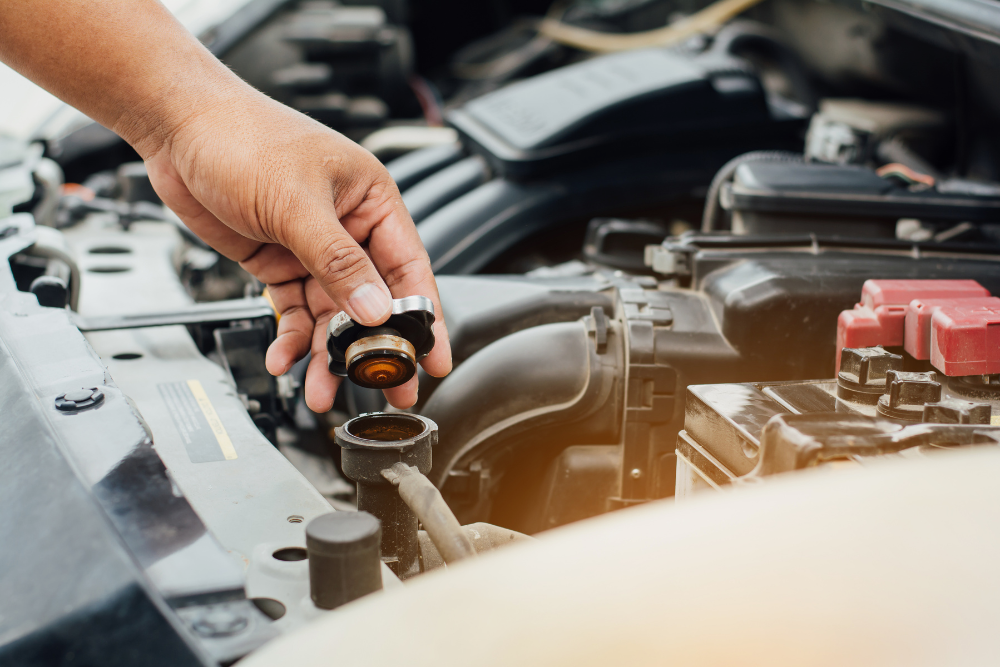
- The radiator cap for proper pressure seal
Why Choose Grand Pointe Automotive for Coolant System Repair in Grand Blanc Township
Grand Pointe Automotive is a family business with roots going back to 1950, and after more than 75 years of serving Grand Blanc Township and the surrounding Genesee County community, that commitment to honest, quality work hasn’t changed.
We treat every vehicle like it belongs to one of our own, and we built our reputation on a simple idea: do the right thing, every time. Here’s what that looks like when you bring your car to us:
- Master Certified Technicians: Our techs hold State of Michigan and ASE Master Certifications, which means your vehicle is in the most qualified hands in the area. Other shops in Grand Blanc Township and Burton send their hard-to-diagnose vehicles to us when they can’t figure it out.
- Digital Vehicle Inspections: We use Tekmetric to provide full Digital Vehicle Inspections with photos so you can see exactly what we see. No guesswork, no surprises.
- 3-Year, 36,000-Mile Warranty: We stand behind our work with one of the strongest warranties in Genesee County, giving you peace of mind long after you leave the shop.
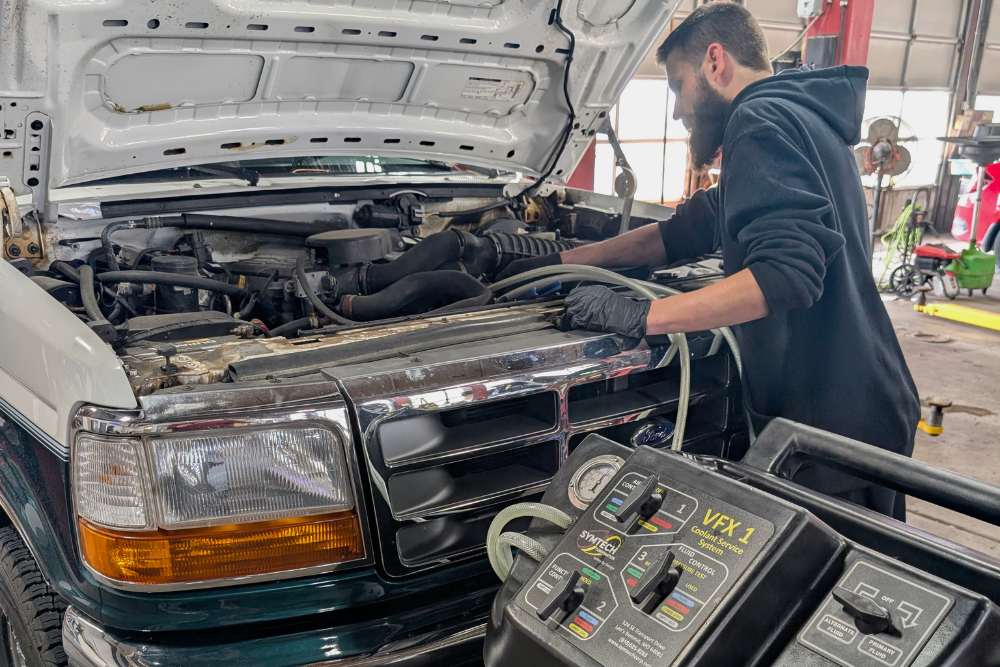
- Professional-Grade Pressure Testing: We use pressure testing equipment to find leaks other shops miss, giving you an accurate diagnosis before any repair begins.
- Convenience That Fits Your Life: Free loaner cars, free shuttle service, vehicle pick-up and delivery, early bird drop-off, and secure after-hours pickup. We keep you moving, even while your vehicle is in the shop.
- Financing Available: Synchrony Car Care One financing makes it easier to handle unexpected repairs without the stress.
FAQs About Coolant System Repair Grand Blanc, MI
Why do coolant system leaks happen after winter?
Freezing and thawing cycles stress plastic and rubber components throughout the winter, creating cracks and weak spots that open up when the engine reaches full operating temperature in spring. Hoses, reservoirs, and gaskets are the most common failure points after months of cold weather exposure.
Can freezing temperatures crack radiator hoses or reservoirs?
Yes, prolonged exposure to freezing temperatures makes rubber hoses brittle and can cause hairline cracks in plastic reservoirs. These cracks often go unnoticed until warmer weather causes coolant to expand and leak through the damaged areas.
How do I know if my coolant system needs repair?
Common signs include a rising temperature gauge, visible puddles of coolant under your vehicle, a sweet smell from the engine bay, or a consistently low coolant reservoir level. A professional pressure test is the most reliable way to confirm whether your system has a leak.
What causes overheating after cold weather?
Overheating after winter is usually caused by coolant loss from cracked hoses or a leaking radiator, a stuck thermostat, or degraded coolant that no longer transfers heat properly. A cooling system inspection can pinpoint the exact cause quickly.
How can I prevent coolant system problems next winter?
The best prevention is a coolant flush on the manufacturer’s recommended schedule and a fall inspection of all hoses, clamps, belts, and the radiator cap. Replacing worn parts before freezing temperatures arrive keeps your system strong all winter.
Schedule Your Coolant System Repair at Grand Pointe Automotive in Grand Blanc Township and Keep Your Engine Protected
Ready to make sure your cooling system is in top shape after this past winter? Don’t wait for a small leak to become a big problem. Schedule your coolant system repair today with the trusted team at Grand Pointe Automotive. Visit us at 5140 S Saginaw Rd, Grand Blanc Township, MI 48507, or call 810-603-1900 to book your appointment. We keep you moving.